
Feedback
AI Ad Video Example
Loading...
MiniMax H3 to Video
MiniMax H3 to Video transforms your written ideas into sharp 2K clips complete with sound — characters speak on screen and stay consistent across shots.
All Tools
Discover our comprehensive AI-powered animation toolkit
MiniMax H3
MiniMax H3 AI Video Generator
Seedance 2.5
The Future of AI Video Is Here.
Seedance 2.0
The Future of AI Video Is Here.
Kling 3.0
Next-Gen AI Video Generator
MiniMax H3 video generator
MiniMax H3 AI Video Generator
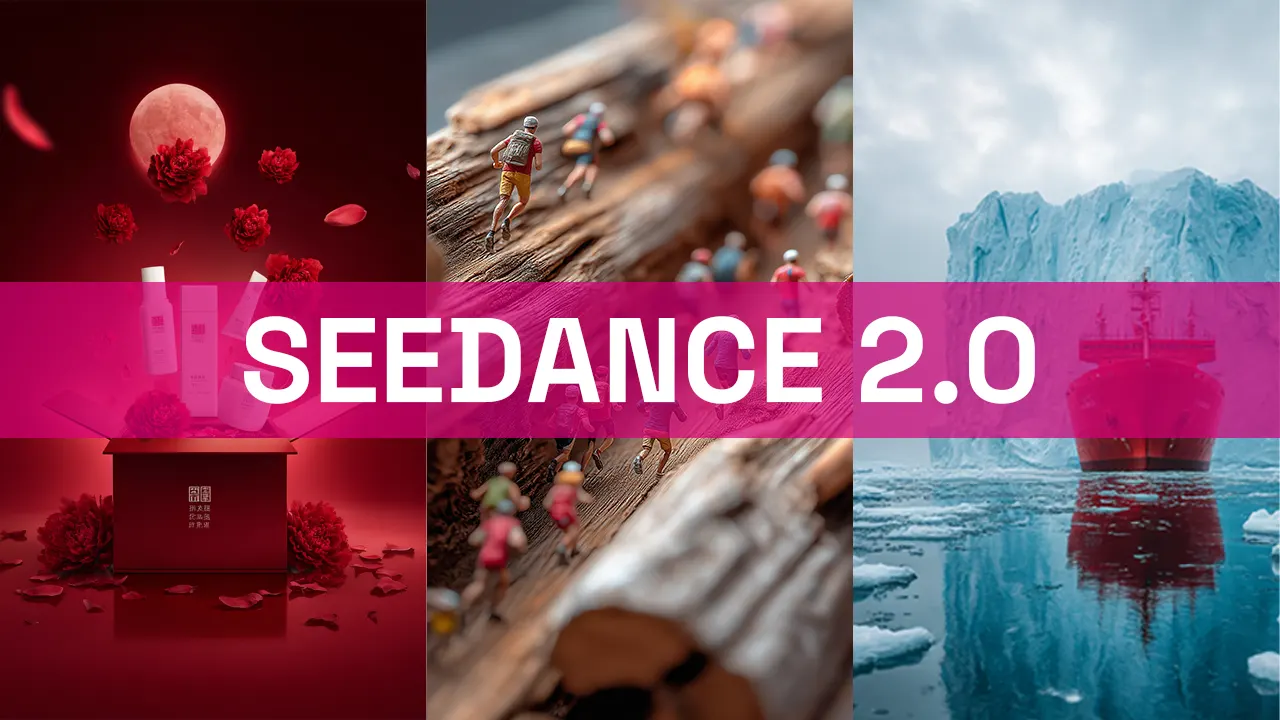
Seedance 2.0
The Future of AI Video Is Here.
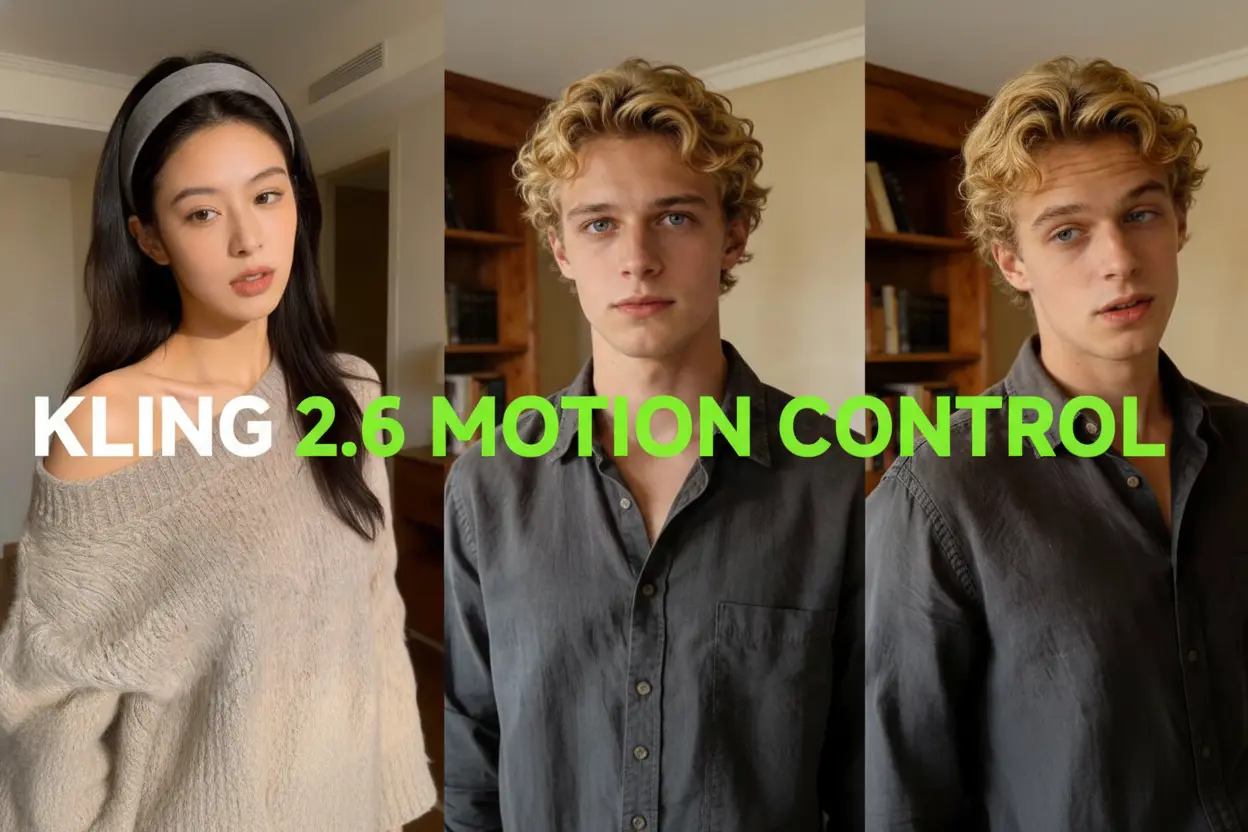
Kling Motion Control
Turn reference images into amazing motion videos in minutes
Sora2 AI
Advanced AI Video Generator for High-Quality Videos
The Power of MiniMax H3 to Video
Built on MiniMax's H3 engine — better known as Hailuo 3.0 — MiniMax H3 to Video converts a text description into 2K footage whose sound is generated right alongside the picture. Because audio and visuals are produced together, how you name effects and time their cues directly shapes the result. Characters deliver lines on screen with no separate voiceover step, uploaded references preserve visual continuity, and multi-shot scenes play back in exactly the sequence you scripted.
- Prompt to Video, Sound IncludedA short written scene is all it takes — MiniMax H3 to Video returns animated footage whose soundtrack has been generated alongside the picture, never added afterward.
- Lines That Play On ScreenVertical drama lives on close coverage and shot-reverse-shot rhythm — with MiniMax H3 to Video, each line is delivered while the take is being created, so a separate dubbing session is never needed.
- Consistency Through ReferencesSupply as many as 9 images, 3 video clips, and 3 audio tracks per job, assigning each one a purpose — MiniMax H3 to Video derives the character's face, the setting, the movement, and the voice from your fixed source materials.
Getting Started with MiniMax H3 to Video
Create your clip in just three moves using MiniMax H3 to Video inside Morphic's boundless visual workspace.
MiniMax H3 to Video — Feature Highlights
Sounding text-to-video, speech performed on camera, reference-driven consistency, and beat-timed multi-shot output — MiniMax H3 to Video converts a scripted shot into polished 2K footage that includes its own audio.
Text-to-Video with Generated Audio
Describe the moment you want and the returned footage arrives with its audio baked in — spelling out each effect and exactly when it should hit reshapes what MiniMax H3 to Video produces.
On-Camera Line Delivery
Made for vertical drama that leans on tight shots and back-and-forth cutting — MiniMax H3 to Video renders the spoken word together with the acting inside one generated take.
15 Combined Reference Slots
Attach up to 9 images, 3 video clips, and 3 audio tracks in a single run, giving each one a defined role — MiniMax H3 to Video pulls identity, location, motion, and vocals from those locked-in sources.
Beat-Mapped Multi-Shot Scenes
Split your clip into timed beats and several shots arrive together in one run — MiniMax H3 to Video assembles title cards, UI walkthroughs, and product reveals in precisely the order you wrote.
Multi-Model A/B Comparisons
Renders wrap up in minutes, so you can line up MiniMax H3 to Video results next to outputs from other engines on the Morphic Canvas before settling on the final cut.
Crisp 2K Resolution
Every clip MiniMax H3 to Video outputs arrives in sharp 2K with its audio merged into the file — clean enough for opening titles, app demos, and reveal moments.
MiniMax H3 to Video: Frequently Asked Questions
Fast answers to the things creators most often ask about generating video from text with MiniMax H3 to Video.
What exactly is MiniMax H3 to Video?
It's the H3 model from MiniMax — also known as Hailuo 3.0 — packaged as a text-to-video generator. Feed MiniMax H3 to Video a written scene and it returns sharp 2K footage with sound generated alongside the visuals, all in one run.
Is the audio genuinely generated?
Yes. Picture and sound emerge from a single generation pass with MiniMax H3 to Video — how you name each effect and where its cue falls shapes the output, and characters deliver their lines on screen with no dubbing session required.
How can I get a stronger first render?
Spell out who is in the shot, what happens, how the camera moves, how it's lit, and what you should hear, then mark timings along the clip — with beats mapped ahead of time, MiniMax H3 to Video comes closest to your vision on the opening render.
Are reference materials supported?
Absolutely. One run accepts up to 9 images, 3 video clips, and 3 audio files, each assigned its own job — with MiniMax H3 to Video, the character's appearance, the location, the motion, and the voice all come from assets you fix in place.
Can it handle multi-shot sequences?
It can. Block the clip beat by beat and multiple shots are returned within a single generation — MiniMax H3 to Video resolves title sequences, interface walkthroughs, and product reveals in the exact order you scripted.
How does it stack up against other models?
Inside the Morphic canvas you can render quickly, switch engines, and place MiniMax H3 to Video results alongside Kling 3.0, Veo 3.1, Seedance 2.5, and Vidu Q3 outputs before locking in your final edit.
Start Creating with MiniMax H3 to Video
Your written scene becomes 2K footage with sound woven in — prompt-based video, on-screen speech, and reference-backed consistency, all powered by MiniMax H3 to Video on an endless visual canvas.